
Hands of the Heights: Alpine Artisans of the Julian Alps
Today we journey into Alpine Artisans of the Julian Alps: Woodcarving, Weaving, and Traditional Toolmaking, meeting carvers, weavers, and smiths who shape mountain life into enduring beauty. From spruce-scented workshops to hearth-warmed looms and ringing forges, their skills echo glaciers, shepherd paths, and centuries of patient craft. As you read, share your memories, questions, or family stories, and help keep these living practices vibrant through conversation, curiosity, and support.
Origins Along the Snowline
High passes and river valleys of the Julian Alps—where the Soča turns turquoise and Triglav watches like a guardian—have long nurtured makers who adapt to short summers and long winters. Woodcarving, weaving, and toolmaking grew from necessity into artistry, absorbing influences from caravan routes, parish festivals, and quiet evenings by the stove. Join this path of discovery, and tell us which detail from these beginnings resonates with your own traditions or travels.


Choosing the Right Tree, Reading the Right Grain
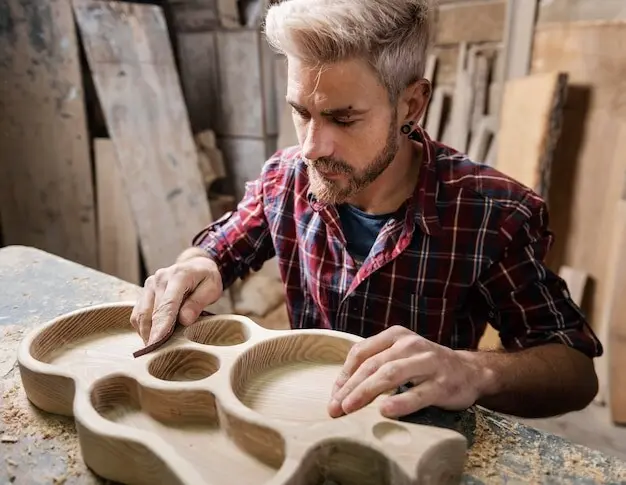
Carvers walk the forest like a library, reading knots, rings, and scent. They season boards slowly, avoid tensioned heartwood for fine relief, and reserve tight-grained spruce for instruments or delicate chips. Larch boards become weather-tolerant panels; beech turns into strong handles. Every offcut becomes a spoon, wedge, or kindling. If you have selected lumber for a project, tell us how the wood’s story guided your design and finish.
Wool from Wind-Brushed Meadows
Mountain sheep grow resilient fiber under shifting skies. Shearing days bring neighbors together; fleeces are skirted, washed, carded, and spun by hand or wheel. Natural dyes—walnut husks, onion skins, bilberry, and lichens—whisper landscape back into yarn. Weavers balance loft and strength, choosing twill or plain weave for blankets, belts, and shawls. Share your favorite natural dye, and what season or memory its tone returns to your fingers and eyes.
From Raw Matter to Living Artifact
Woodcarving: Season, Shape, and Shelter
Blocks rest through winters, protected from cracks. Layout lines arrive with charcoal, then adze and gouge chase silhouettes into form. Stop cuts guard delicate details; knives refine curves that catch mountain light. Surfaces may remain faceted, proudly handmade, or burnished smooth, then fed with linseed and beeswax. Share how you protect wood in damp climates, and whether you prefer tool-mark honesty or glassy perfection on finished surfaces.
Weaving: Warps Aligned with Horizon
Warping stretches patience across pegs; heddles arrange order; shuttles ferry color and meaning. Balanced weaves build dependable cloth; twill lends drape for belts or blankets that travel beyond the pass. Selvages are guarded by mindful hands; finishing washes set the yarn’s final truth. If you have woven or watched a loom, describe that threshold when threads cease being lines and finally become a single breathing fabric.
Toolmaking: Heat, Edge, and Temper
Forge heat draws carbon to attention, and the hammer persuades shape from stubborn bars. Quenching arrests chaos; tempering returns toughness, signaled by rising colors from pale straw to royal blue. Edges are honed, then married to handles carved for palm memory. Field tests confirm alignment with real work. Tell us about a trusted tool you reach for first, and what its balance teaches your hand each day.
A Carver and the Chapel After Snow
An avalanche spared a hilltop chapel but shattered its wooden guardian. A carver carried larch uphill, choosing it for resilience against meltwater and sun. Weeks later, a new figure stood, tool marks left visible as testimony. Pilgrims touched facets like rosary beads. If a repaired object ever meant more to you than a new one, share how the mended surface changed your understanding of strength.
A Weaver Who Counted Stars as Picks
On late autumn nights, a weaver mapped hillside constellations into a belt pattern, counting picks like distant lights. The belt later fastened a pack through rough seasons, each chevron a remembered ridge. Years afterward, her granddaughter traced the motif by lamplight and found direction home. Tell us about an object that guides you—not by compass, but by pattern, warmth, or a familiar hand’s remembered rhythm.
A Smith and the Meadow Dawn
Before haying, a smith walked the field with farmers, reading dew, slope, and grass height. Back at the forge he drew steel into a scythe profile suited to that meadow, then tempered and peened the edge. The first sweep left a glittering windrow. Describe a moment when the right tool turned difficult work into graceful motion, and how that changed your respect for craft knowledge.


Motifs that Hold the Mountains
Designs here are not decoration alone; they are maps and memory aids. Triads hint at three-peaked horizons; rosettes ward thresholds; chevrons echo scree slopes; flowing lines remember the Soča’s quicksilver turns. Blackened carving grounds, bright facets, indigo bands, and iron touchmarks become signatures across generations. Share a mountain motif you love, and where you first found it—on cloth, wood, metal, or perhaps sketched in your travel journal.
Keeping Craft Alive in a Faster World
Survival depends on apprenticeships, fair markets, and forests and flocks cared for with foresight. Climate shifts alter tree health and grazing; tourism can help or harm; digital storefronts broaden reach while risking speed over soul. Communities respond with guilds, cooperatives, and seasonal workshops that prize slowness. Lend momentum: ask questions, commission repairs, subscribe for new stories, and introduce young hands to tools that shape more than objects—they shape belonging.